
Introducing GECA’s Updated Waste & Resource Collection Services Standard
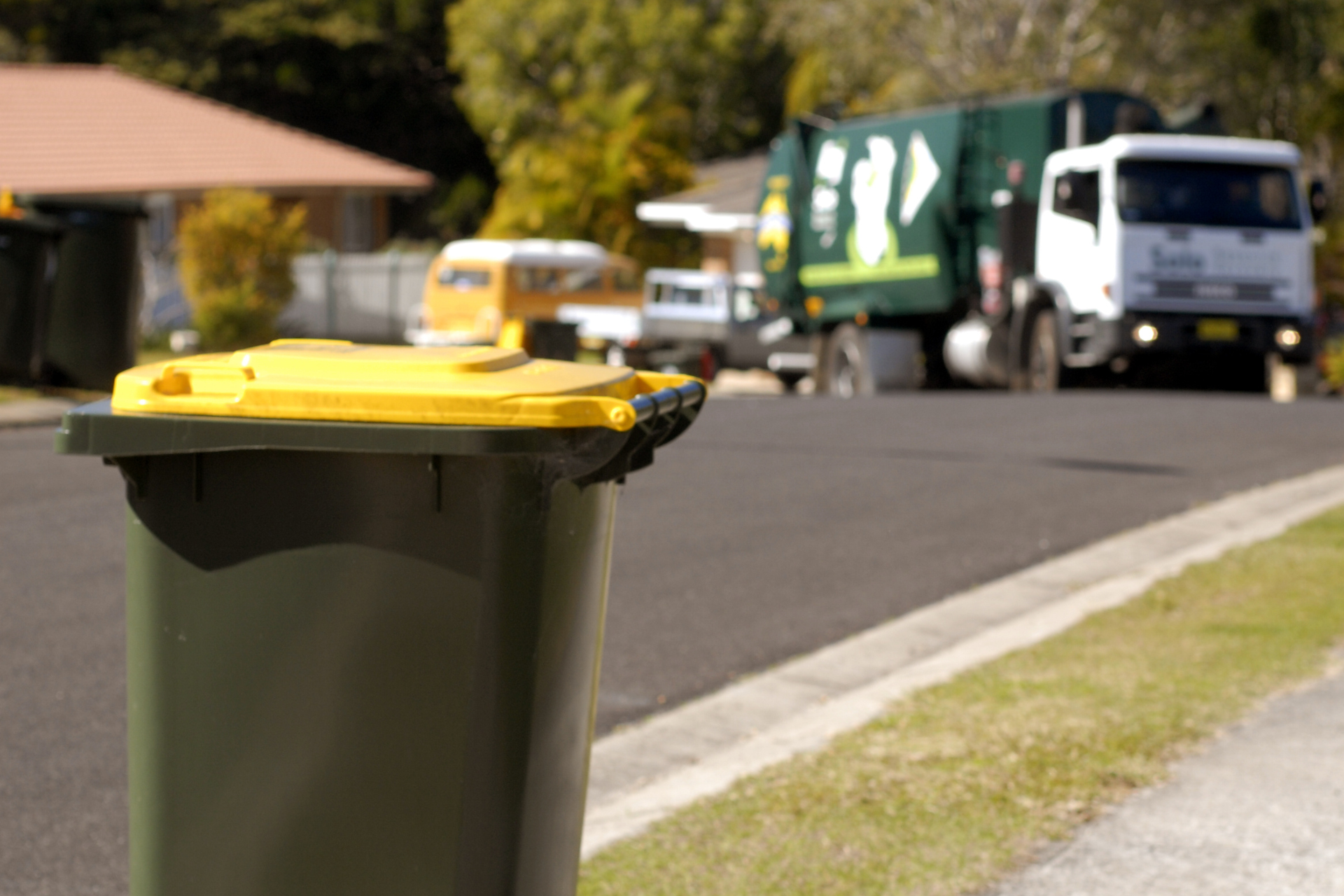
GECA has published an updated version of its Waste Collection Services standard, now called the Waste & Resource Collection Services standard (WRCS Gen 3.1).
The new name reflects an important evolution in the role of collection services within Australia’s waste and resource recovery system.
The revision also broadens the standard's reach. Where the previous version was closely aligned with NSW requirements, Gen 3.1 has been developed to align with requirements across all Australian states and territories, making it relevant to collection services operating anywhere in the country.
Collection is not simply about transporting waste away from where it is generated. It is a critical point in the resource recovery journey, influencing how materials are separated, measured, tracked and ultimately recovered.
The updated standard reflects this broader role, with a stronger focus on the quality of resource recovery outcomes, accurate data and greater transparency about what happens to materials after they are collected.
What has changed?
The Waste & Resource Collection Services standard introduces a number of updates designed to strengthen confidence in collection and resource recovery practices, including:
A wider scope, covering 17 material streams, including municipal solid waste, commercial and industrial waste, soft plastics, glass, metals, tyres, e-waste, batteries, textiles, furniture and paints.
Stronger weight measurement and data quality requirements, including a new measurement hierarchy designed to increase the use of actual weight data wherever reasonably practicable.
Greater transparency around downstream facilities, including requirements to maintain information about where collected materials are sent and ensure facilities are lawfully authorised.
Clearer contamination management requirements to help protect the quality of separately collected material streams.
More detailed Waste Management Plans, including recovery pathways, contamination thresholds and site-specific performance indicators.
Strengthened hazard and accident controls, including procedures relating to hot loads, lithium batteries, fire risks and emergency response.
Broader environmental management requirements, covering areas such as air, water, energy use, greenhouse gas emissions, internally generated waste and noise.
Clearer responsibilities for subcontractors and waste generators, recognising that better resource recovery outcomes rely on collaboration across the collection system.
One of the most significant updates is stronger weight measurement and data quality requirements. Providers must apply a new measurement hierarchy, in descending order of preference:
Tier 1: Measured weight, using National Measurement Institute (NMI) approved and verified equipment
Tier 2: Measured weight, using NMI approved and internally calibrated equipment
Tier 3: Measured weight, using non-NMI approved, internally calibrated equipment
Tier 4: Verified site-specific calculated weight
Tier 5: Documented estimated, attributed or nominal weight
Providers report at the highest tier they can achieve, with a focus on improving over time.
Together, these changes support a shift away from measuring success solely by landfill diversion and towards greater accountability for what happens to resources throughout the collection and recovery process.
Greater flexibility where it makes sense
The standard also recognises how collection services operate in practice. Performance reviews are now required at least annually; contamination notices can be issued within a defined timeframe of up to one month; an independent fit-for-purpose report is no longer required; and route planning can be evidenced through dispatch, GPS or telematics records.
What this means for you
Existing licensees should review the full standard and compare it with their current systems, particularly weight measurement, hazard control and environmental management. Prospective applicants can review the standard and its application checklist, then contact GECA to arrange a pre-application consultation.
Download the full WRCS Gen 3.1 standard.
Questions? Contact standards@geca.org.au.